
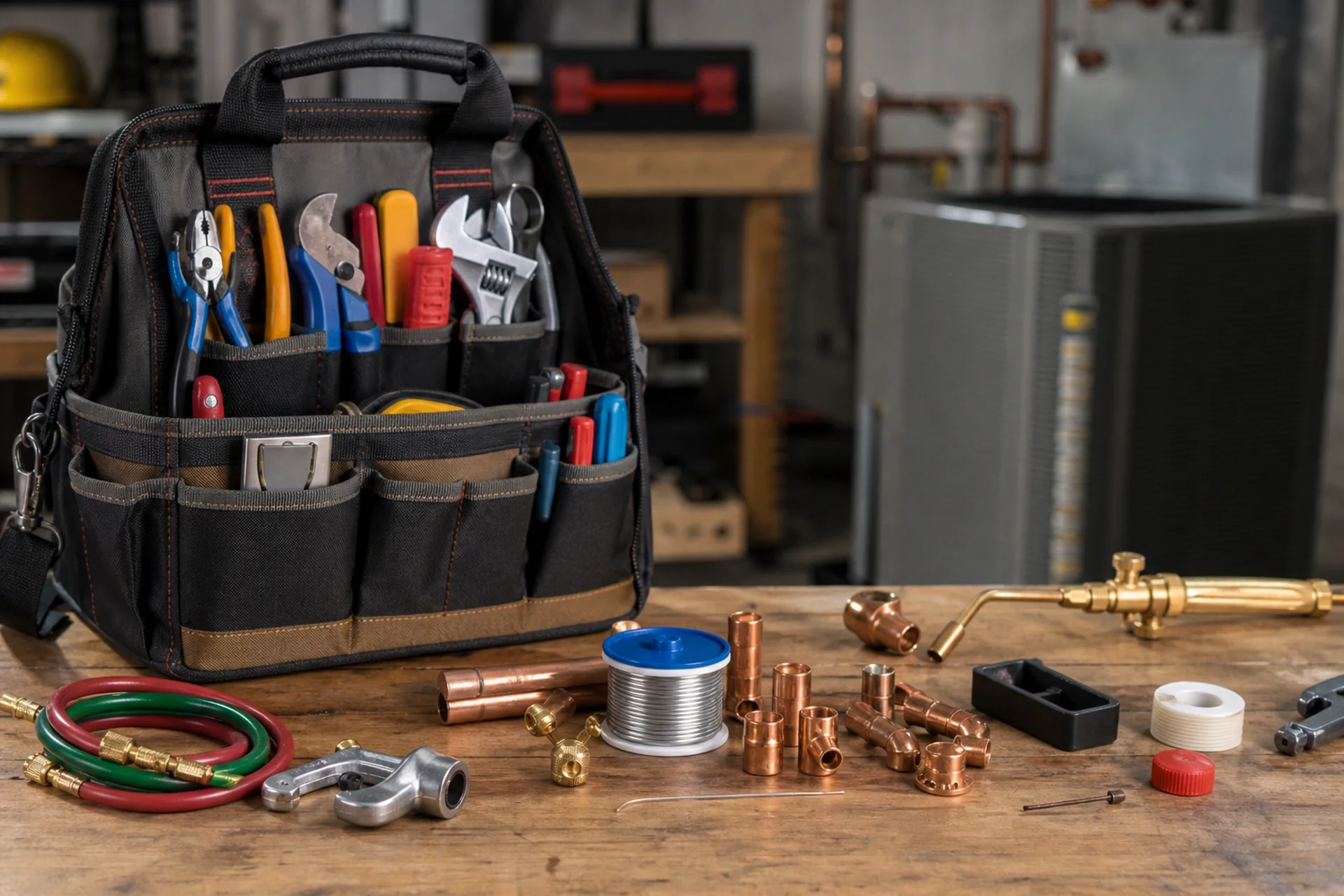
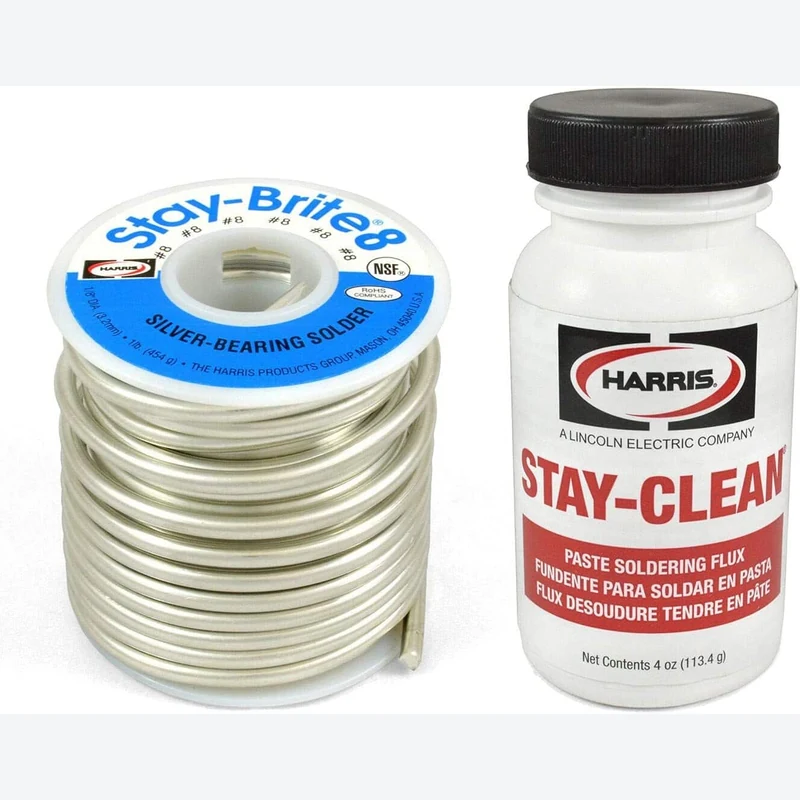
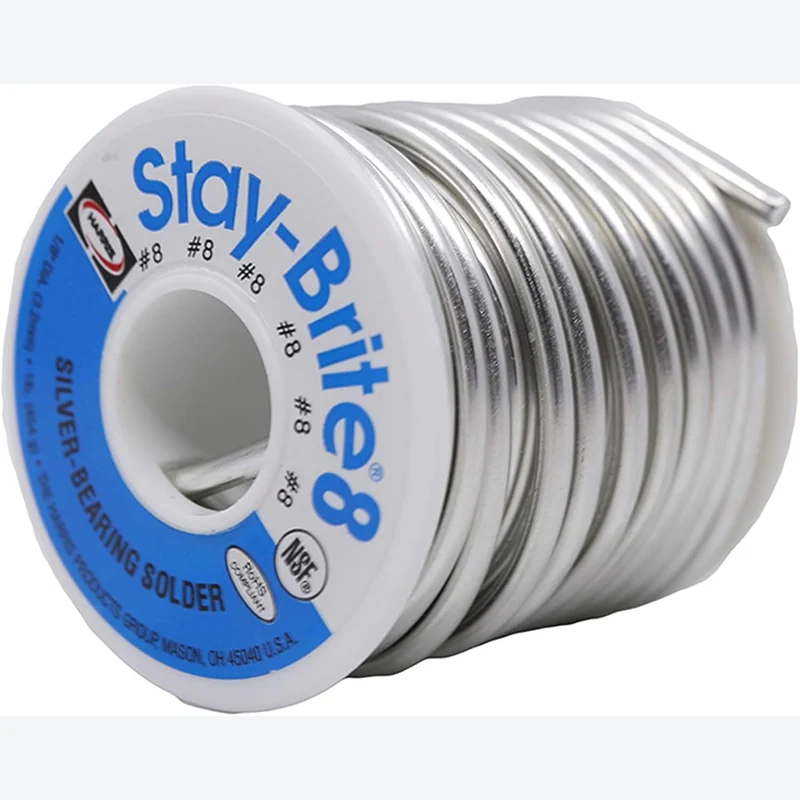
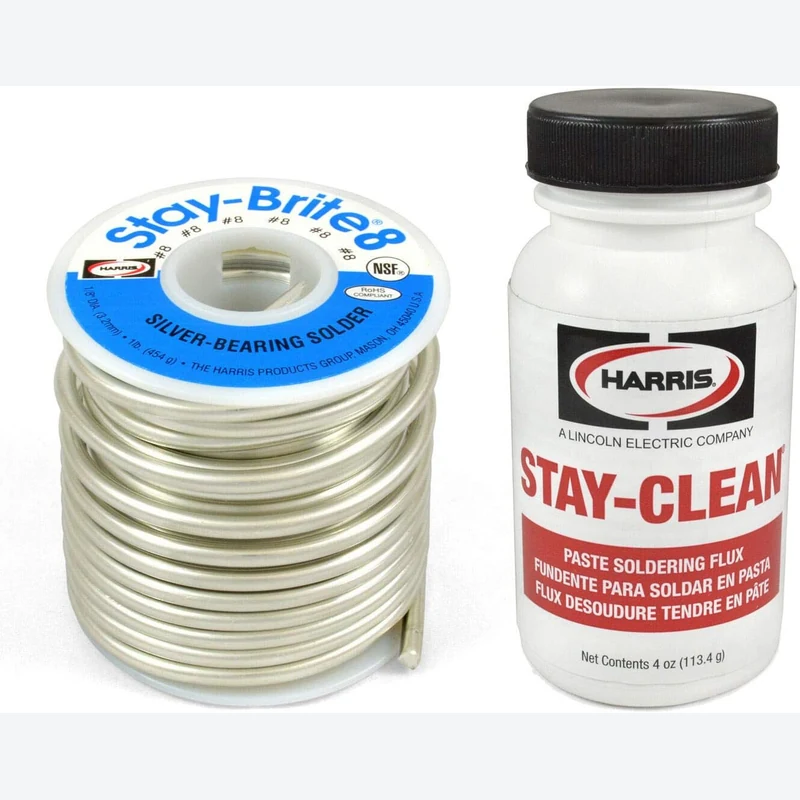
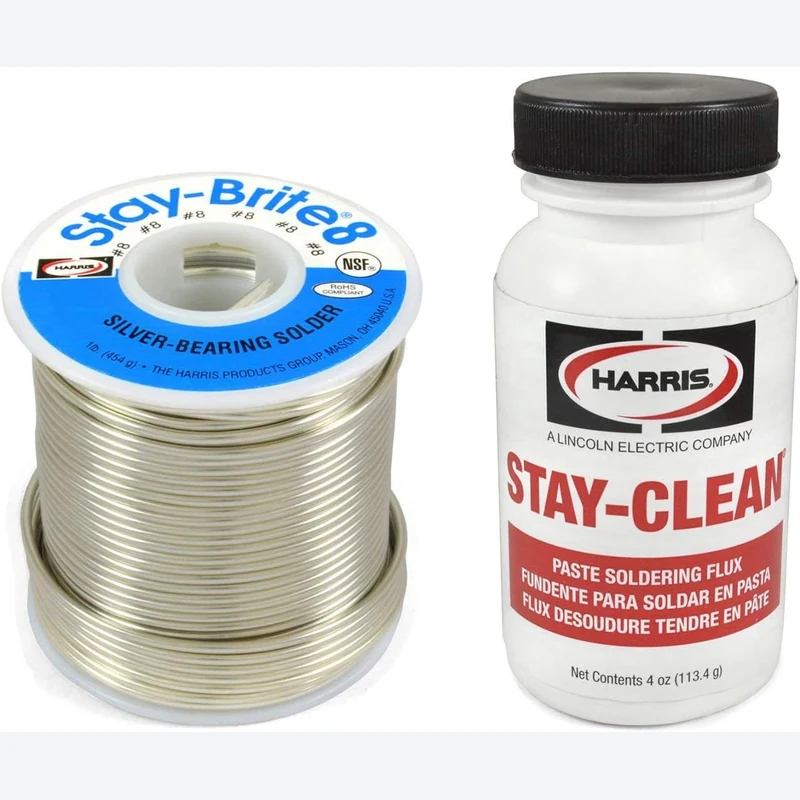
Datasheets tell you about 4% silver and 10,000 PSI tensile on copper. User reviews tell you what happens when the torch is windy, the apprentice skipped deburring, and the nitrogen test starts in twenty minutes. Stay-Brite 8 earns loyal mention in HVAC, plumbing, and refrigeration circles because the lead-free tin-silver alloy flows predictably in the 535–550°F range when paired with Stay-Clean flux — but field feedback is also blunt about price, learning curve coming from 50/50 tin-lead, and jobs where brazing still wins. This page collects recurring themes without fabricated star averages or affiliate pitches.
Verify technical claims on silver content, pressure rating, and melting point. When joints fail, start with common problems before blaming the spool.
HVAC line-set feedback
Residential HVAC techs frequently mention Stay-Brite 8 on split-system line sets and drier connections. Positive comments highlight smooth capillary flow once flux clears, fewer callbacks on vibration-heavy attic runs versus plain tin wire, and comfort working near valve bodies without full brazing heat. Critical comments note the alloy costs more per ounce than commodity solder and that MAP-pro tips still require discipline — overheating thin suction lines produces the same dark tube whether the spool says silver or not.
Several reviewers switched after municipal or corporate specs banned lead-bearing solder on service trucks. They describe a short adjustment period learning the slightly higher working heat, then stable results on nitrogen holds. Pairing Stay-Clean flux is the most repeated tip — mixed-flux experiments get called out as the real reason for grainy fillets, not the Stay-Brite 8 label.
Plumber potable lines
Plumbers who rough-in domestic copper value NSF 51 listing and RoHS compliance when inspectors ask for material documentation. Reviews praise passing hydrostatic tests on first attempt when capillary technique is sound. Complaints focus on supply-house stock — sometimes only large spools are on the shelf, pushing small contractors to buy more wire than a bathroom rough-in needs.
Experienced plumbers note that Stay-Brite 8 does not forgive dirty fittings faster than any other quality alloy. Reviewers who teach apprentices send them to practice scrap with the same 535–550°F cues: flux quiet, wire wicks, fillet rings. The alloy gets credit for joint strength; prep still gets credit for leak-free trim-out.
Refrigeration rack comments
Supermarket and light industrial refrigeration fitters mention Stay-Brite 8 on rack headers, case tie-ins, and oil return lines. Positive feedback cites lead-free compliance on food-adjacent piping and adequate strength without dragging brazing rigs to every 3/8-inch stub. Negative feedback appears on large-diameter mains where engineering specs mandate BCuP brazing — reviewers are clear that solder is not a universal substitute on every joint in the rack.
Oil contamination stories show up in reviews when joints failed despite "good" alloy. The consensus: Stay-Brite 8 flows well on clean tube; refrigeration cuts need solvent wipe and fresh flux. Kits that bundle solder and flux earn praise on night callbacks when techs do not want to hunt matching chemistry in the shop van.
Flux pairing praise
Stay-Clean flux appears in a large share of positive reviews. Users describe faster wetting and fewer reworks when they stop mixing brands. Paste flux reviews focus on overhead supermarket cases and vertical plumbing stacks — less drip, same activation timing if the coat stays thin.
Critical flux reviews usually trace to burnout from chasing a cold joint with prolonged flame. The fix reviewers recommend is cut-and-resweat, not more flux on a hot fitting. That aligns with manufacturer guidance and our flux page.
Versus plain tin wire
Techs who upgraded from plain tin or generic lead-free wire often report tighter, brighter fillets and better survival on compressor vibration. Skeptics say any quality solder works if technique is perfect — they are not wrong about technique, but they acknowledge plain tin callbacks on line sets they inherited from other crews.
Price-sensitive reviewers stock plain tin for non-pressurized crafts and Stay-Brite 8 for mechanical copper. That split strategy shows up in small shop owner comments balancing margin on service tickets against material cost on competitive bids.
Learning curve notes
Coming from 50/50 tin-lead, reviewers mention the slightly higher heat before wire flows. Initial blobs on the tube lip without wicking usually mean fitting mass is still cool, not that the alloy is defective. After a week of daily use, most describe muscle memory comparable to their old wire.
Training-focused reviews recommend the capillary action heating technique explicitly: heat fitting, brief wire touch, withdraw flame, inspect fillet. YouTube demos get credited; this site's melting point guide gets bookmarked for apprentices studying solidus and liquidus language before licensing exams.
Kit versus spool debate
HVAC, plumbing, and refrigeration kits receive praise for matched contents and truck organization. Spool-only buyers like choosing exact wire diameter from the rack and already owning bulk flux. Negative kit comments are rare and usually about wanting a larger spool size inside the bag — a packaging preference, not a performance complaint.
The 1 oz field spool shows up in reviews from gauge bag users who repair line sets on rooftops. They like parity with shop chemistry without carrying a full 4 oz reel up a ladder.
Documented limitations
Honest reviews mention aluminum work requires different filler — Stay-Brite 8 on aluminum is repeatedly flagged as a mistake. See aluminum products for the correct alloy. Brazing-spec joints on large commercial pipe are another boundary reviewers respect.
No product flows if clearance is wrong or tube is oil-soaked. Reviews that blame the spool without mentioning prep get pushback from other commenters — a healthy sign in trade forums where technique debate stays technical.
How to read reviews
We do not publish synthetic aggregate star ratings on this site. When you read distributor or forum feedback elsewhere, weigh these filters: Did the reviewer pair Stay-Clean flux? Was the application pressurized copper? Did they document nitrogen or hydrostatic hold results? Vague "works great" posts matter less than posts describing 535–550°F technique, capillary pull, and test outcomes.
Cross-check impressive claims against tensile data and your local code. Stay-Brite 8's reputation in reviews rests on consistent tin-silver chemistry, NSF 51 and RoHS positioning, and field strength when joints are made correctly — not on marketing scores.
Summary themes
Strengths users repeat: reliable flow with matched flux, lead-free compliance, vibration-friendly joints on HVAC runs, inspector-friendly documentation on potable work. Trade-offs users repeat: higher material cost than plain tin, technique-dependent results, not a brazing replacement on every spec. Most common fix cited: better prep and capillary timing, not switching brands mid-job.
If your experience differs, document the fitting size, flux brand, torch tip, and test method before concluding the alloy is at fault. Good reviews — and good joints — share the same detail level.