
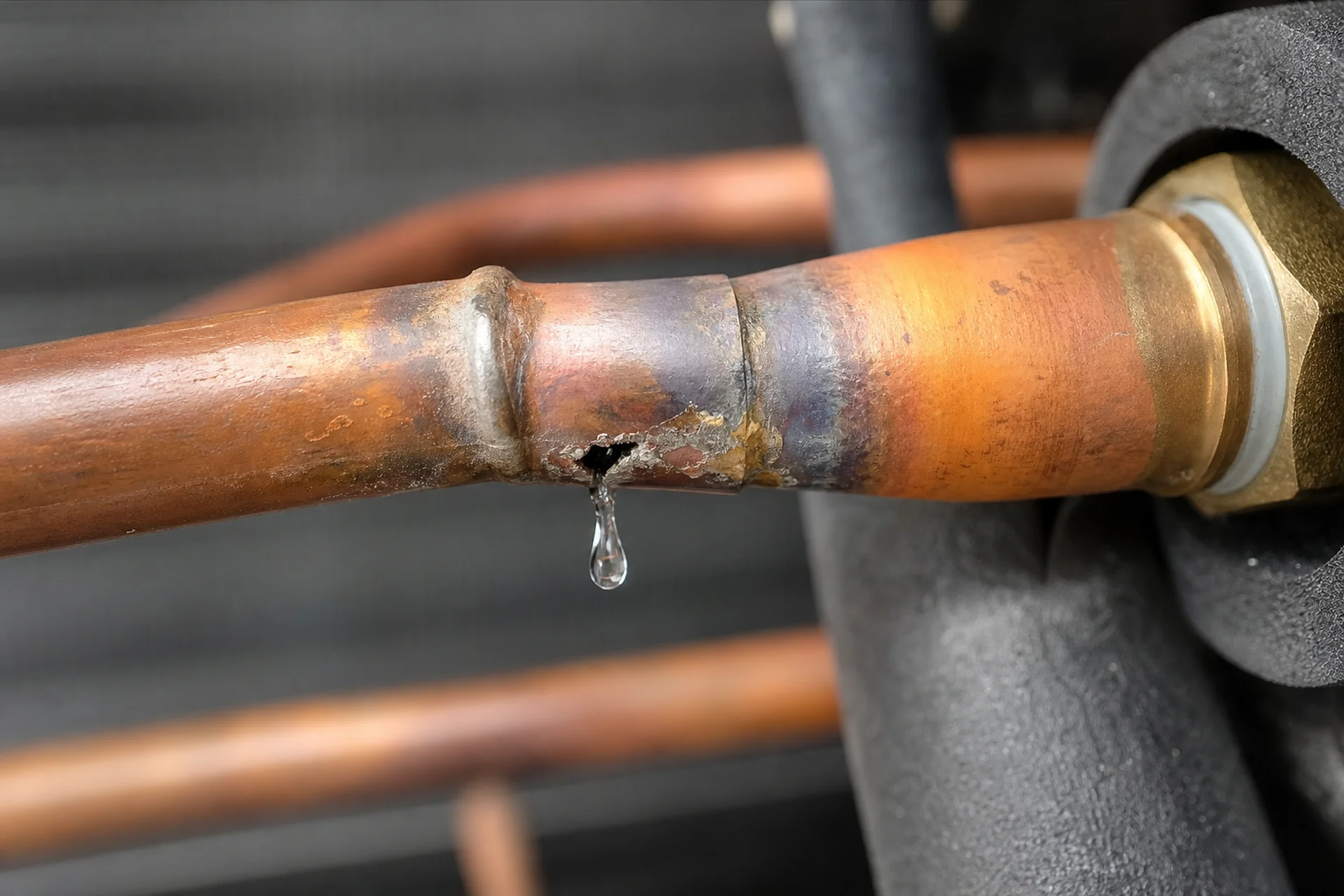
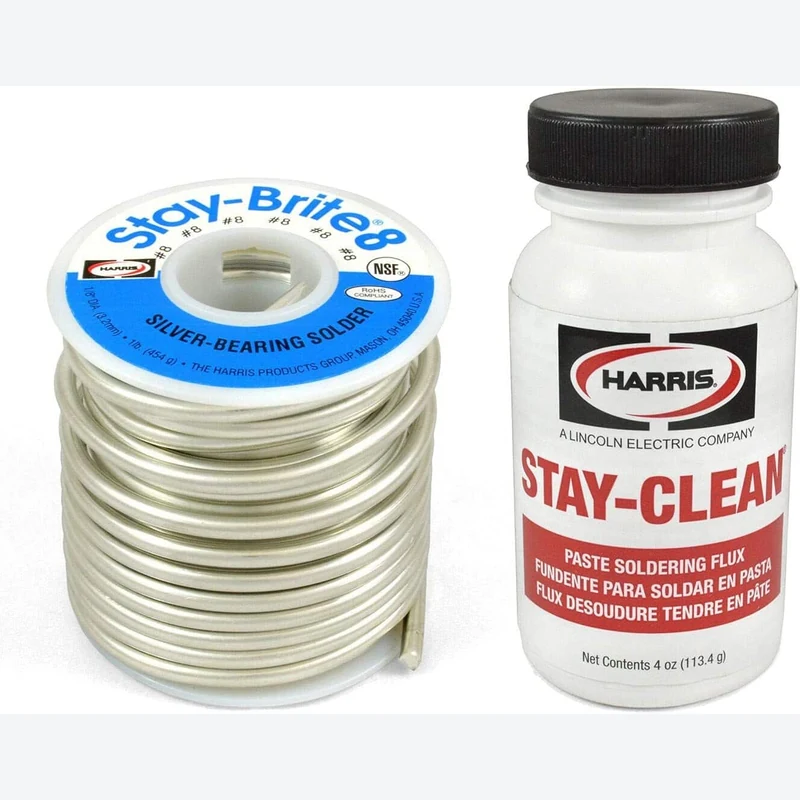
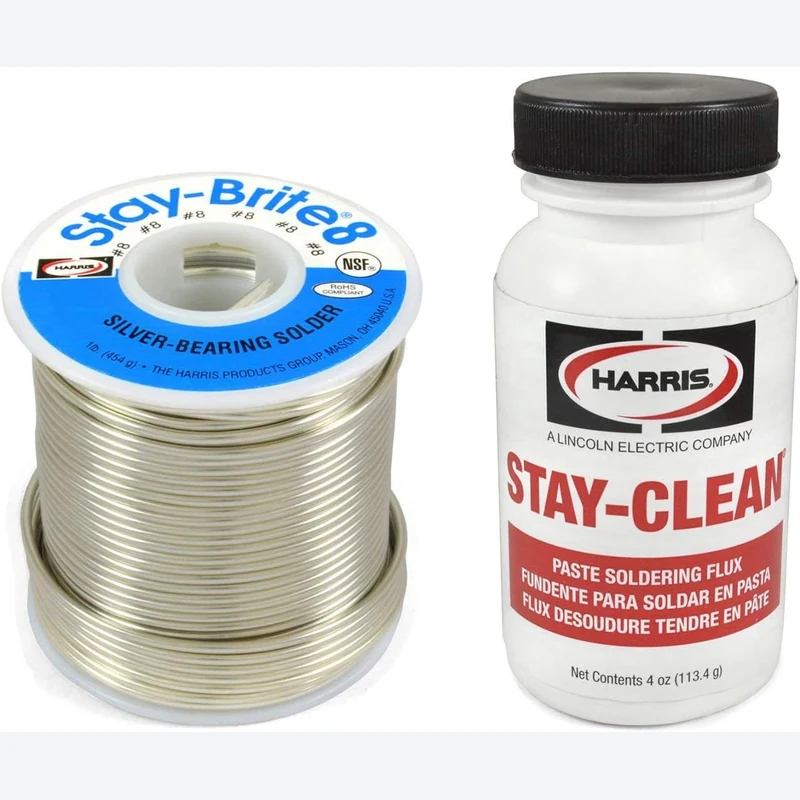
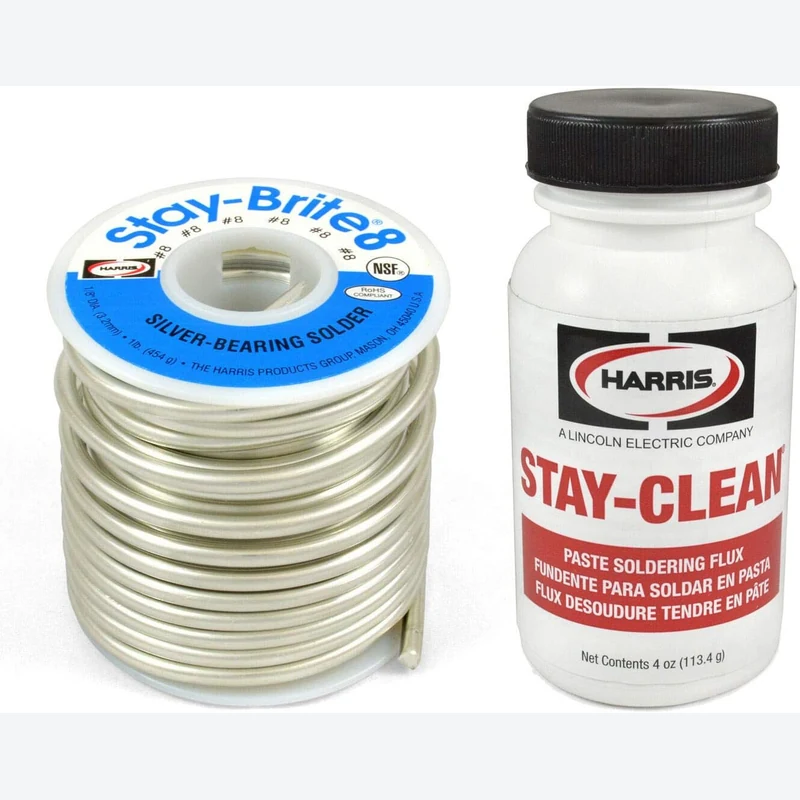
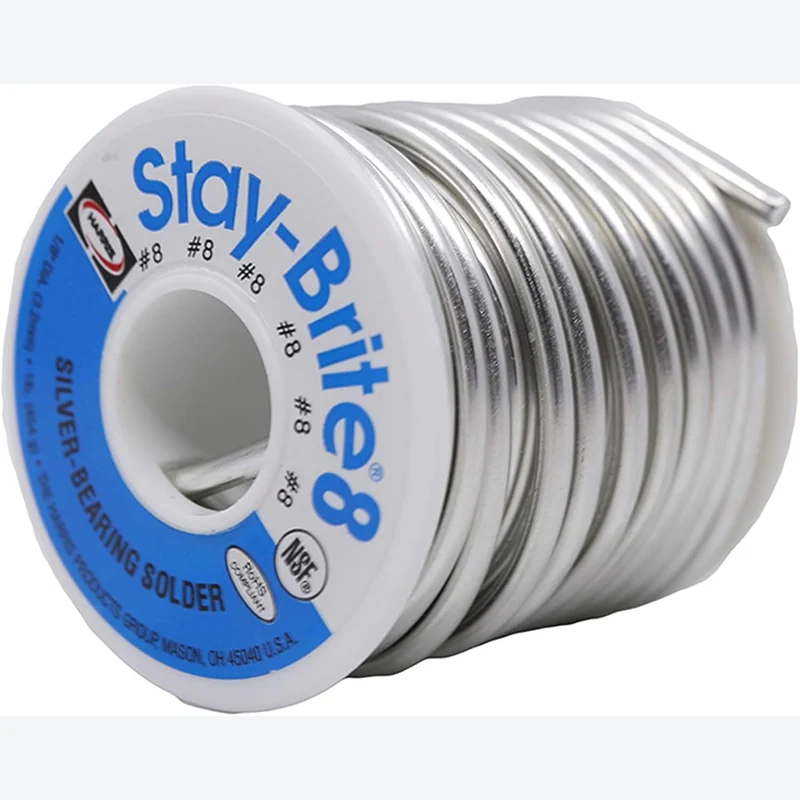
A failed solder joint rarely means bad alloy on the spool. Most Stay-Brite 8 problems come from heat timing, contaminated copper, wrong flux, or movement before the tin-silver fill solidifies. Lead-free 4% silver solder flows beautifully when the fitting hits the 535–550°F window and Stay-Clean flux has cleared oxides — but it punishes shortcuts with dull grainy fillets and pressure-test leaks. This guide maps symptoms to causes and fixes so you rework less and pass tests the first time.
Brush up on melting point and pressure rating fundamentals, then read field feedback from techs who solved the same issues.
Cold joint symptoms
A cold joint looks lumpy, dull, or crystalline instead of smooth and bright. The alloy melted on the tube exterior but never wet the capillary gap. Root causes: fitting too cool when wire touched, insufficient flux, or heating the wire instead of the cup. Stay-Brite 8 needs the fitting mass at flow temperature so capillary action draws tin-silver inward.
Fix: Cut out the joint or desweat if policy allows. Re-prep surfaces with clean abrasives, apply fresh Stay-Clean flux, heat the fitting until flux clears, then feed solder briefly. Do not paint external blobs over a cold fill — pressure tests will find the void. Practice on scrap until the fillet rings the joint mouth evenly.
Flux burnout issues
Flux burnout shows as blackened residue, acrid smoke, and solder that balls up without wicking. You held heat too long after flux activated, or the flame was too aggressive for thin tube. Burned flux cannot clean oxides; the tin-silver alloy skims across the surface and freezes grainy.
Fix: Use a neutral flame and move heat in steady passes around the fitting shoulder. Activate flux, feed solder within seconds, withdraw flame. If burnout already occurred, disassemble, wire-brush surfaces, and start with new flux — never add flux to a hot joint mid-heat unless manufacturer procedure allows. See flux pairing for liquid versus paste on overhead work.
Overheating copper tube
Overheated tube turns dark blue or black. The joint may appear filled while base metal grain structure weakens. On thin ACR lines, overheating also warps valves and melts rubber grommets. Stay-Brite 8 flows below brazing temps — you should not need a glowing cherry on the run.
Fix: Use appropriate tip size; conduct heat through the fitting, not a pinpoint on tube. Heat sinks and wet rags protect nearby components. If tube is already discolored through the wall, cut back to sound copper and resweat. Review temperature control for capillary technique.
Poor capillary flow
Solder sits on the lip but does not pull into the gap. Causes include excessive clearance from out-of-round tube, burrs blocking the path, oil contamination, or heating the wrong zone. Capillary action requires uniform clearance and full insertion depth.
Fix: Deburr inside and out, reject loose fittings, wipe oil from refrigeration cuts. Heat the fitting body until flux quiets, touch wire at the joint interface, remove heat, watch wicking. On vertical joints, feed from the bottom upward. Do not flood wire to compensate — excess solder drops local temperature and traps flux.
Joint movement during cool
Bumping or springing tube while tin-silver is plastic creates fracture lines inside the fill. The exterior fillet looks fine until vibration or pressure opens a leak path. Common on overhead plumbing and line sets strapped before cooldown.
Fix: Support assemblies until fully cool to the touch — typically under a minute on 1/2-inch joints. Strap and hang pipe only after inspection. If movement happened, resweat; do not rely on reheat to heal internal cracks.
Contaminated surfaces
Paint, drywall dust, cutting oil, and old flux residues block wetting even with quality alloy. Stay-Brite 8 is not self-fluxing on copper — Stay-Clean must reach bare metal. Wiping with a dirty rag spreads contamination rather than removing it.
Fix: Abrade mating surfaces, solvent-wipe oil, blow dust from fittings. Apply flux immediately before assembly so re-oxidation time is minimal. In food-zone refrigeration, follow site sanitation rules when cleaning before sweat.
Wrong alloy mistakes
Using plain tin, leftover lead-bearing wire, or aluminum solder on copper produces unpredictable flow and code issues. Aluminum formulations have different melt points and must not substitute for tin-silver on copper mechanical joints — see aluminum applications for the correct product.
Fix: Label torch kits and trucks. Confirm spool markings for Stay-Brite 8 and 4% silver. RoHS and NSF 51 documentation matters on potable and commercial jobs — keep alloy consistent across the rough-in.
Leak after pressure test
A weep at the fillet after nitrogen or hydrostatic hold means incomplete fill or pinholes from flux entrapment. Bubble solution pinpoints the path. Intermittent leaks on vibration may be creep in a cold joint on compressor lines.
Fix: Do not add external solder over a pressurized leak. Depressurize, cut out, re-prep, resweat with matched flux. For HVAC, follow line-set test procedures. Document hold times so callbacks are not confused with unrelated valve leaks.
Discoloration versus defect
Light tarnish on a sound fillet is cosmetic. Dull grainy texture or dark porous cores are structural defects. Probe gently with a pick only on test pieces — in service joints, visual rules apply: uniform bright fillet, complete ring, no gaps at fitting face.
When in doubt, cut and resweat critical joints before close-in. Drywall and insulation hide problems until occupancy. The cost of one extra fitting beats flood damage or refrigerant loss.
Prevention checklist
Prep: deburr, clean, flux both surfaces, correct insertion. Heat: fitting-focused, flux clears, 535–550°F flow. Feed: capillary pull, not puddling. Cool: no movement, natural cooldown. Test: pressure hold per spec. Materials: Stay-Brite 8 plus Stay-Clean, RoHS and NSF 51 where required.
Most problems disappear when capillary technique and flux timing align with the alloy's designed melt window. Keep scrap fittings in the shop for monthly practice — muscle memory prevents field failures more than any troubleshooting chart.