
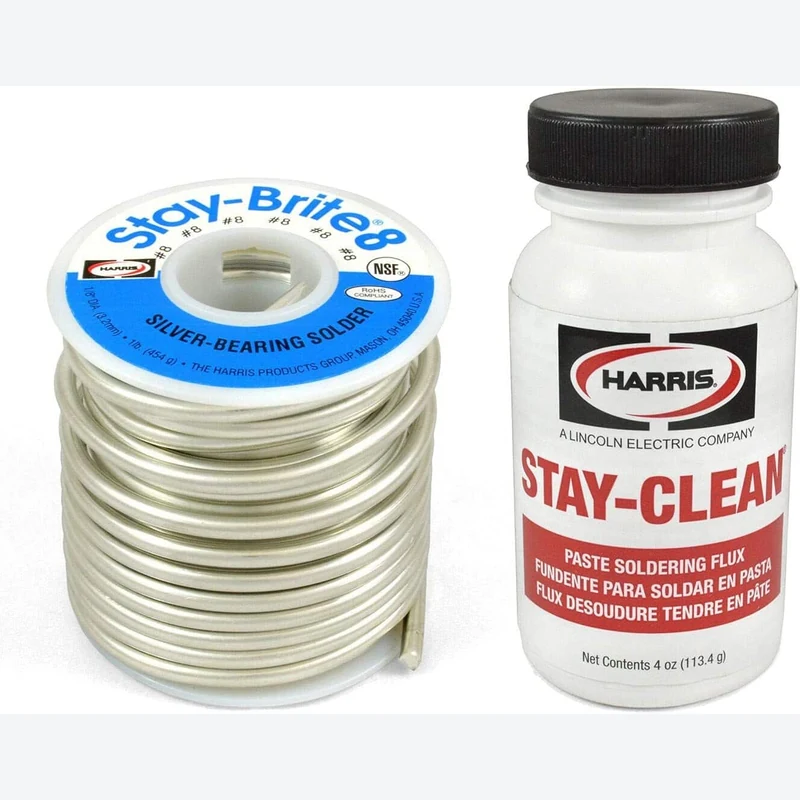
SB861 & SCPF4 Solder Kit
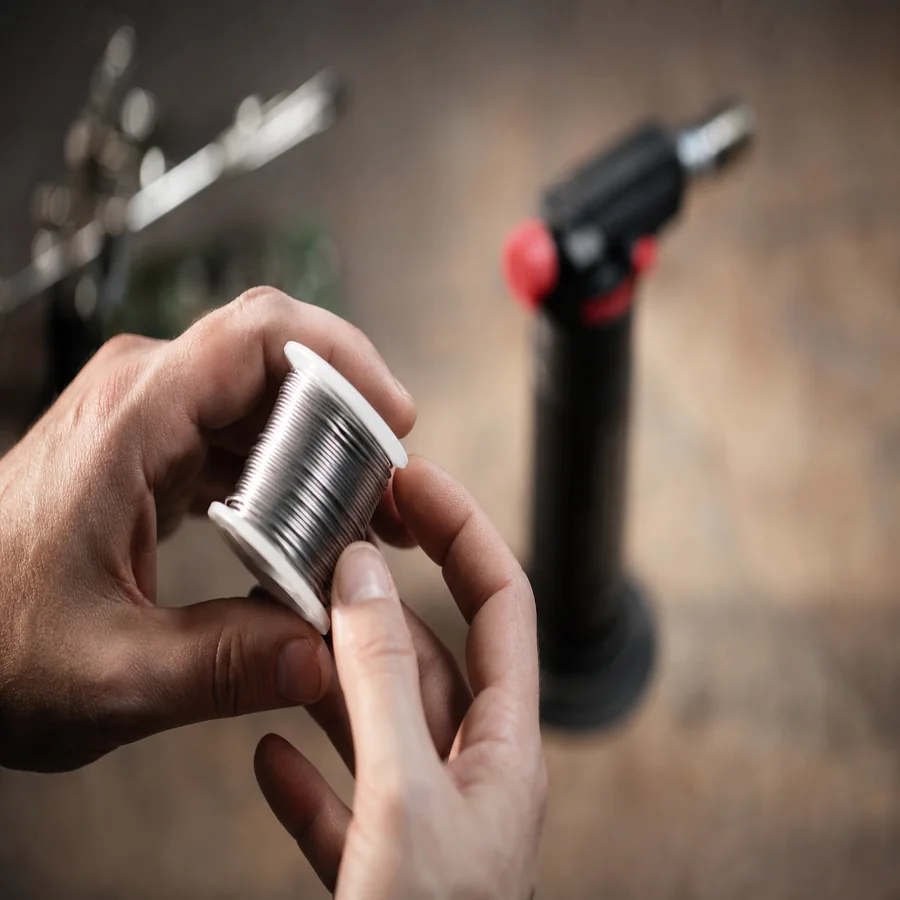
One-pound 1/8-inch Stay-Brite 8 wire bundled with Stay-Clean paste flux — the top-rated kit HVAC and plumbing crews restock first.
Check PriceStay-Brite 8 is a premium tin-silver, lead-free solder trusted in HVAC, plumbing, and refrigeration for joining copper, brass, steel, and stainless steel with a controlled melting range.
Higher silver content than standard Stay-Brite gives you a 535°F to 550°F melting range instead of a single point — excellent for wider clearances, cleaner aesthetics on stainless, and tensile strength up to 10,000 PSI on copper.
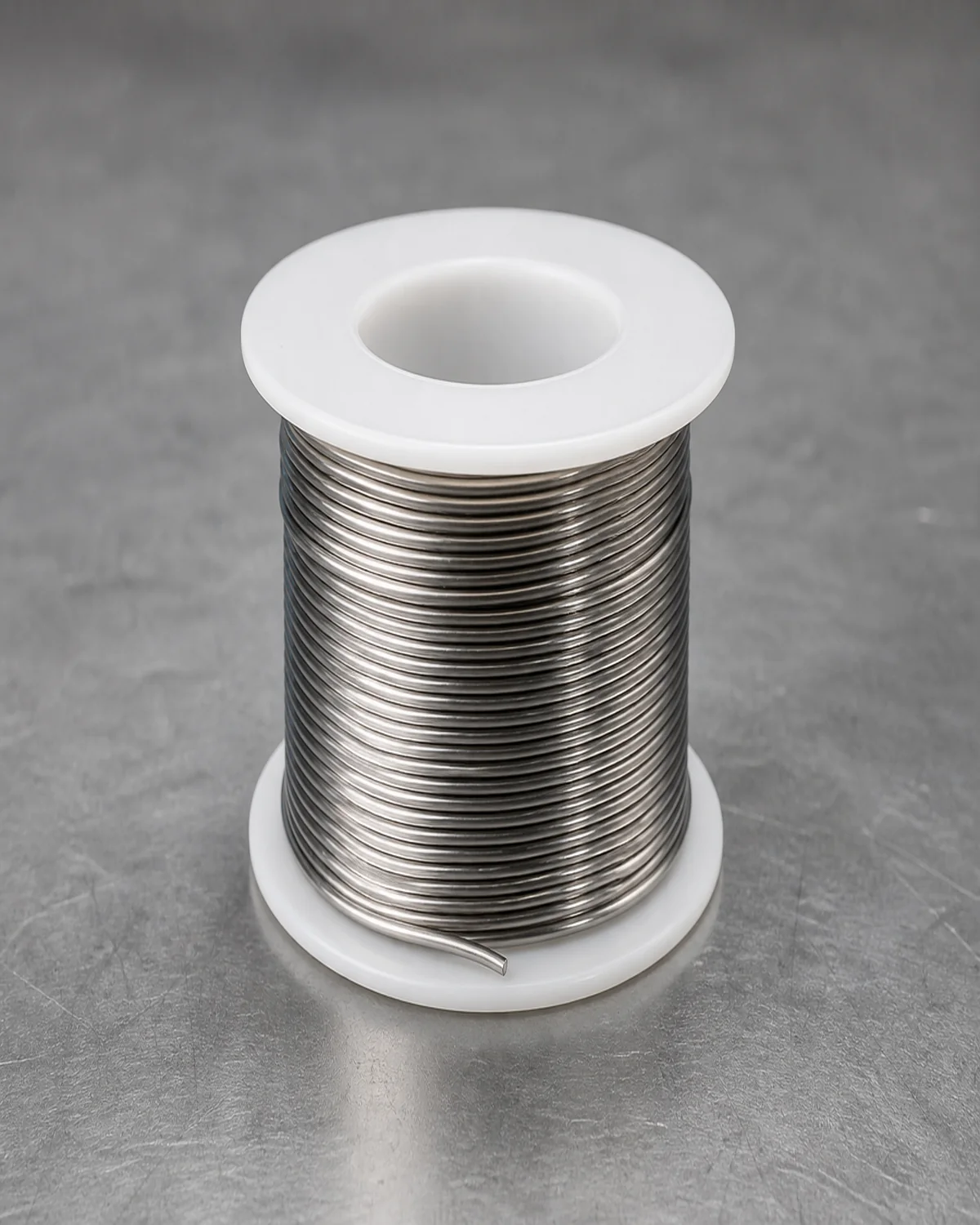
NSF 51 compliant
Food-service ready
Applications
Every guide covers a real job-site scenario — from residential line sets to potable copper and food-service stainless.
Lower heat than brazing minimizes distortion on residential copper runs.
HVAC guide →Lead-free joints with vibration tolerance for supply and branch lines.
Plumbing guide →Clean joints without heavy oxidation inside closed-loop tubing.
Refrigeration guide →Techniques for aluminum tubing when alloy and flux match the base metal.
Aluminum guide →Pair Stay-Clean flux with the right wire amount for capillary flow.
Flux pairing →Why 4% silver changes melt behavior and joint strength on copper.
Alloy details →Best Sellers
Four best-selling Stay-Brite 8 listings trades reach for first — tap Check Price for current spool sizes, kit contents, and delivery options.
One-pound 1/8-inch Stay-Brite 8 wire bundled with Stay-Clean paste flux — the top-rated kit HVAC and plumbing crews restock first.
Check Price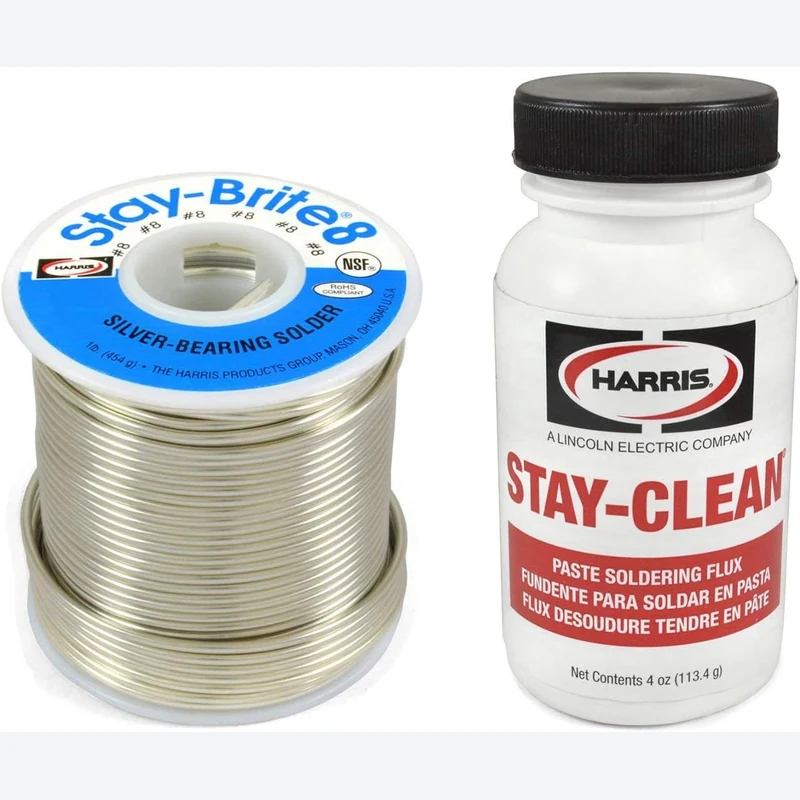
Finer 1/16-inch Stay-Brite 8 alloy with matching paste flux for tight flare ports, Schrader stubs, and narrow capillary gaps.
Check Price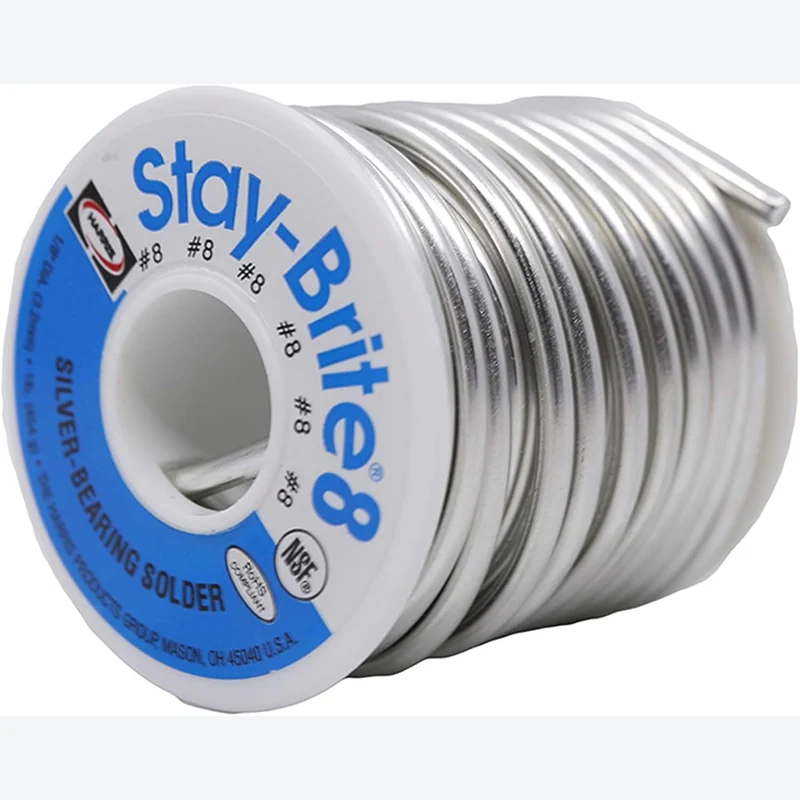
Full one-pound 1/8-inch spool of lead-free tin-silver wire for shop benches and daily copper rough-in production.
Check Price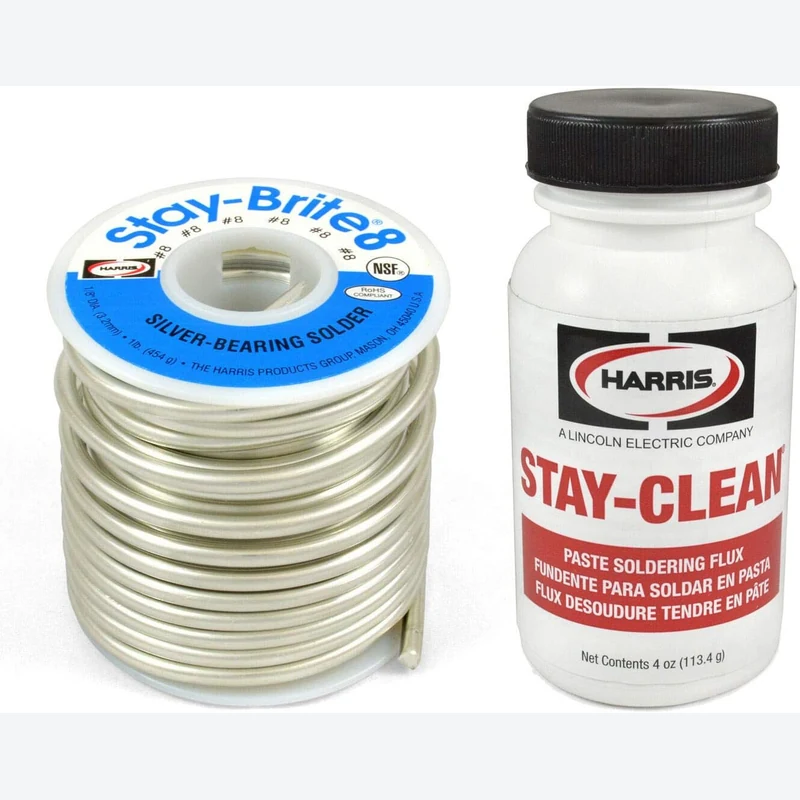
Complete combo pairing the SB861 spool with SCPF4 paste flux so new crews start with matched alloy and flux chemistry.
Check Price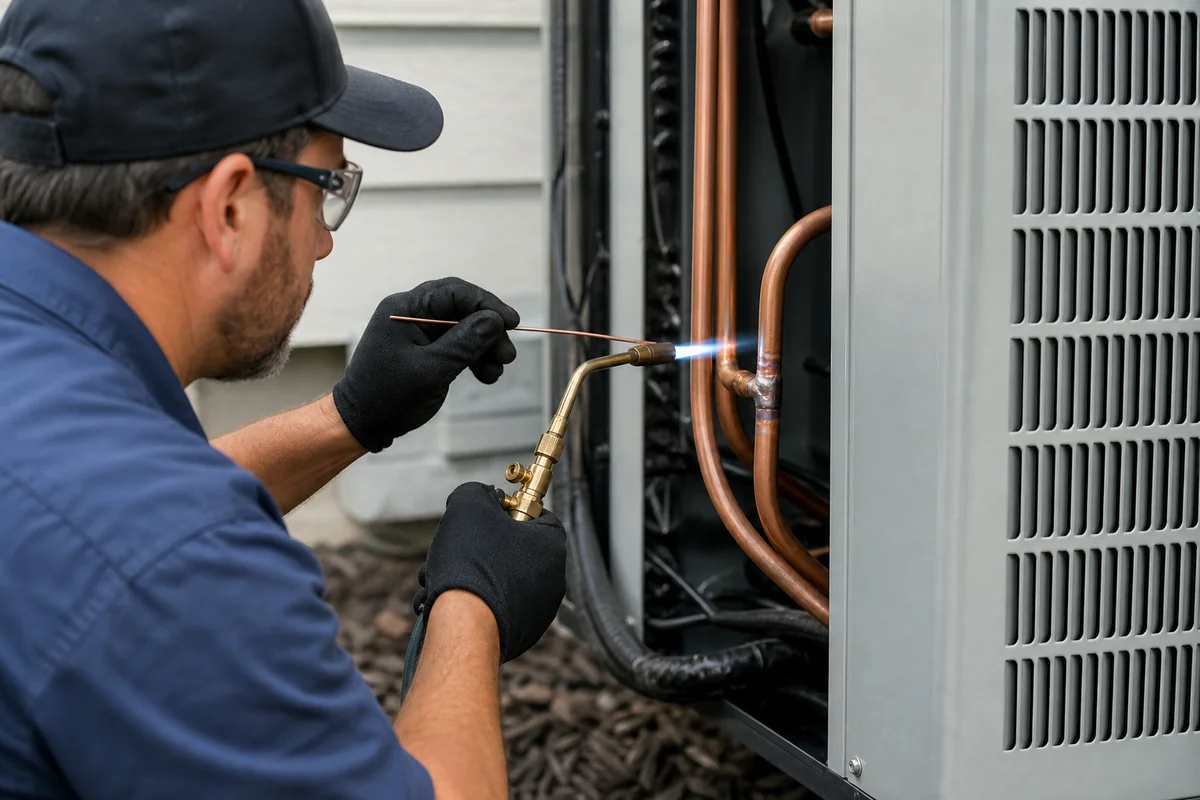
Why Stay-Brite 8
Residential HVAC crews often choose Stay-Brite 8 over high-heat brazing for line sets because the lower working temperature reduces base-metal distortion and limits oxidation inside the pipe.
The silver-rich tin alloy delivers a melting range rather than a single point, which helps when fittings are not perfectly tight or when you need forgiveness during capillary draw. On copper, tensile strength reaches up to 10,000 PSI — enough for mechanical tubing in pressurized systems when joints are properly prepared.
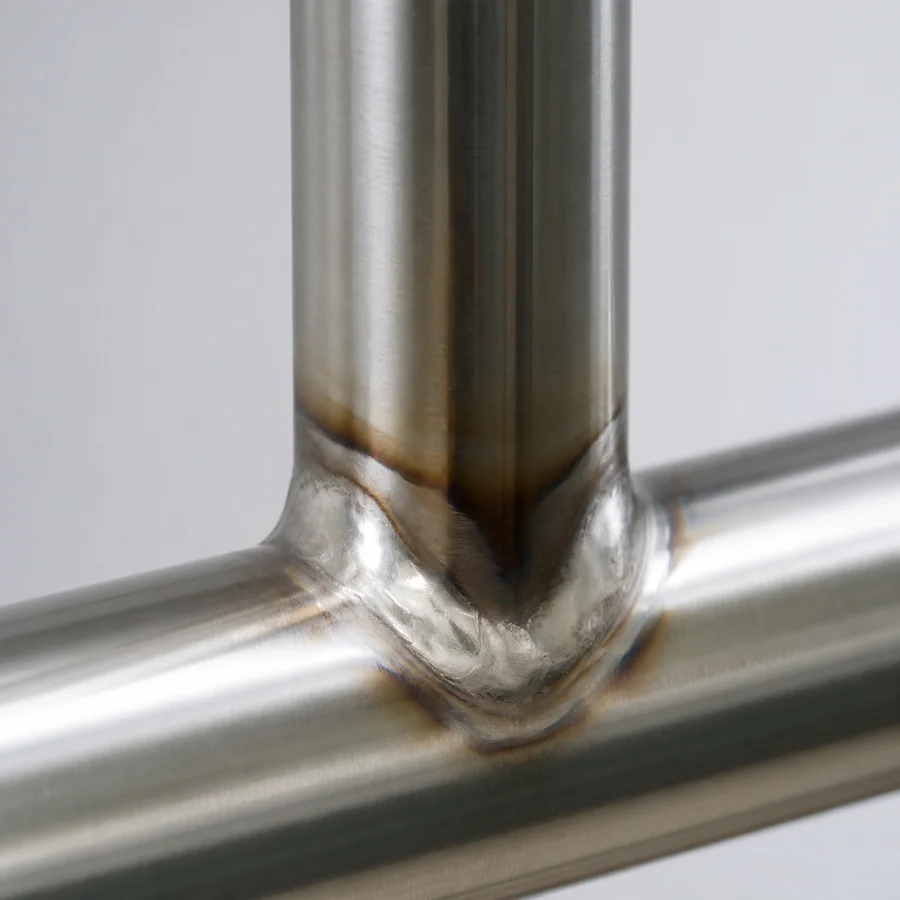
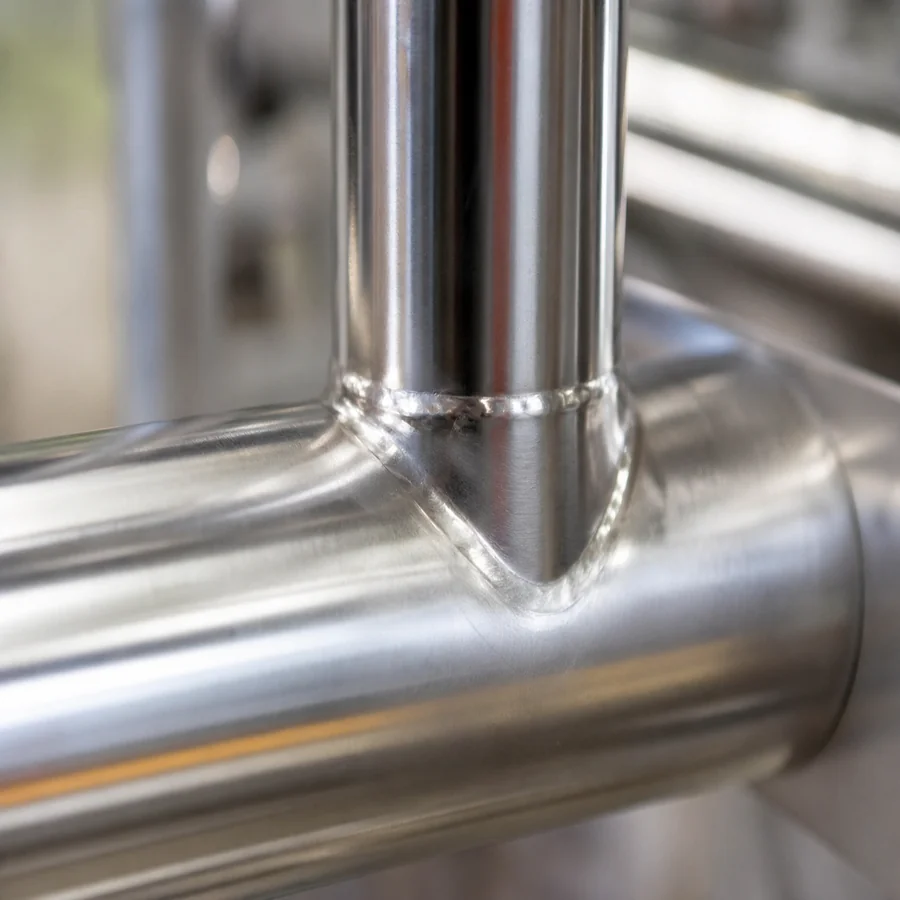
Appearance matters on visible stainless runs in food service. Stay-Brite 8 leaves a silver-colored fillet that blends with stainless steel better than dull tin-only solders. The alloy meets NSF Standard 51 for food-handling equipment and conforms to EU RoHS directives for lead-free compliance.
Explore application-specific guidance on our refrigeration page, technical specs on pressure rating, and troubleshooting on common problems.
Safe for potable plumbing and regulated food environments.
535–550°F window for imperfect clearances.
Copper, brass, steel, and stainless with proper flux.
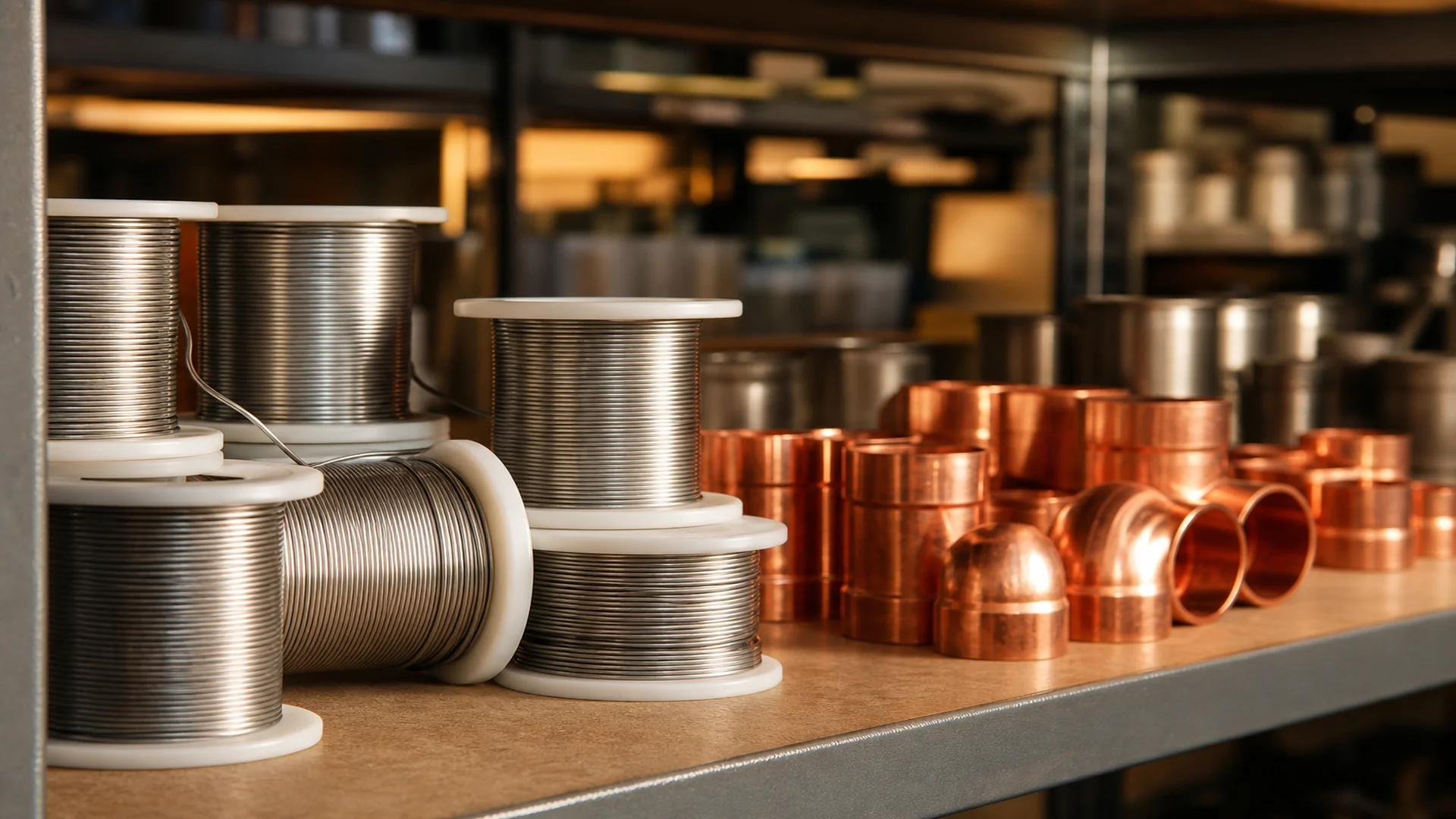
Four steps every strong Stay-Brite 8 joint shares — detailed on our solder and flux guide.
View Melting SpecsField technique
Stay-Brite 8 rewards preparation more than brute heat. The alloy flows by capillary action when the fitting — not the wire — reaches temperature.
Clean the joint thoroughly with a Scotch-Brite pad or emery cloth until bright metal shows. Apply a light, even coat of Stay-Clean flux to the male end; too much paste can wick inside and corrode copper over time.
Heat the fitting until solder touches the joint and draws in by capillary action. Wipe excess flux with a damp cloth after the joint cools — residual flux is a common cause of green corrosion on copper lines months later.
When joints fail, the cause is usually preparation or flux timing, not the alloy. Our problems guide walks through cold joints, overheating, and leak paths step by step.
Draw solder in — do not melt wire on the flame.
Male end only — excess corrodes later.
Bright metal before flux touches the tube.
Remove flux residue with a damp cloth.
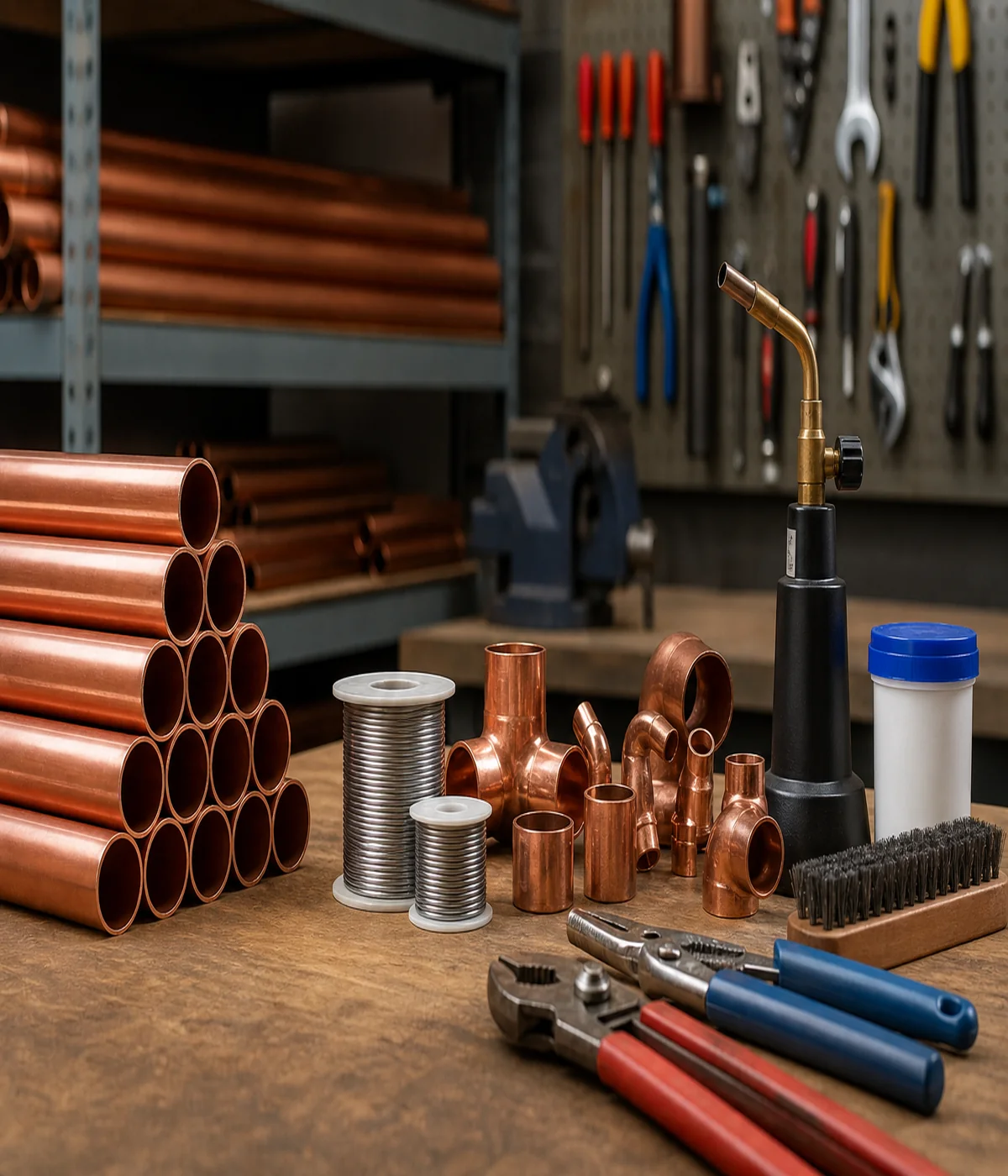
In the field
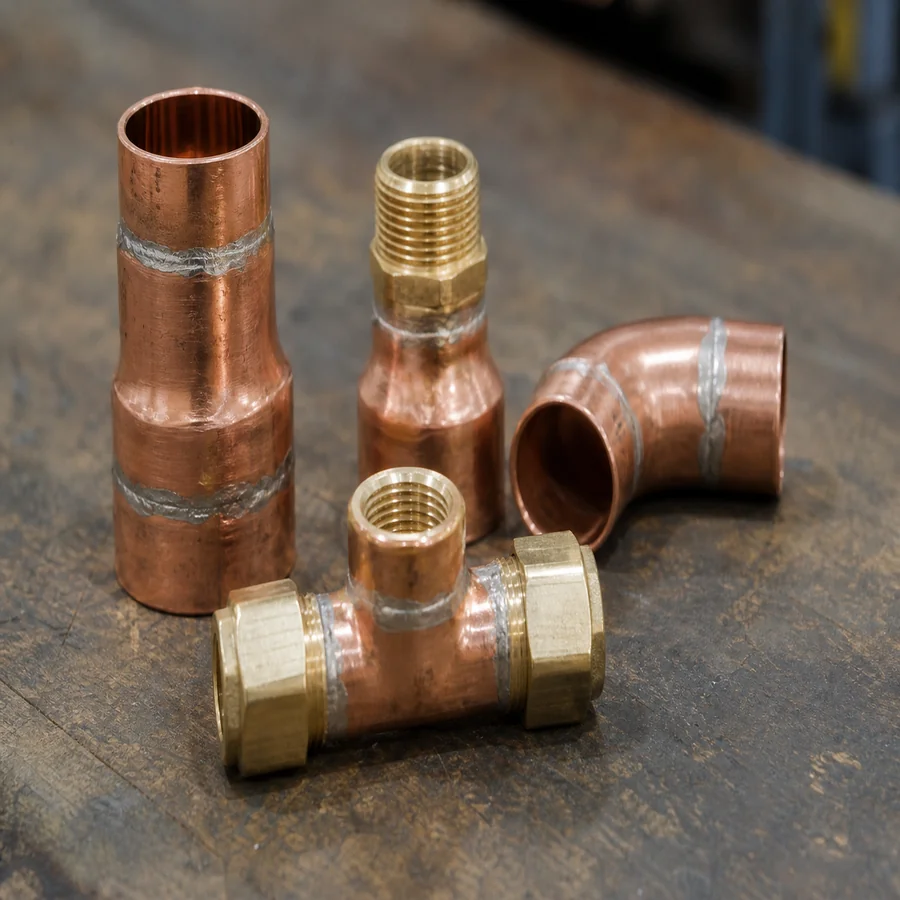
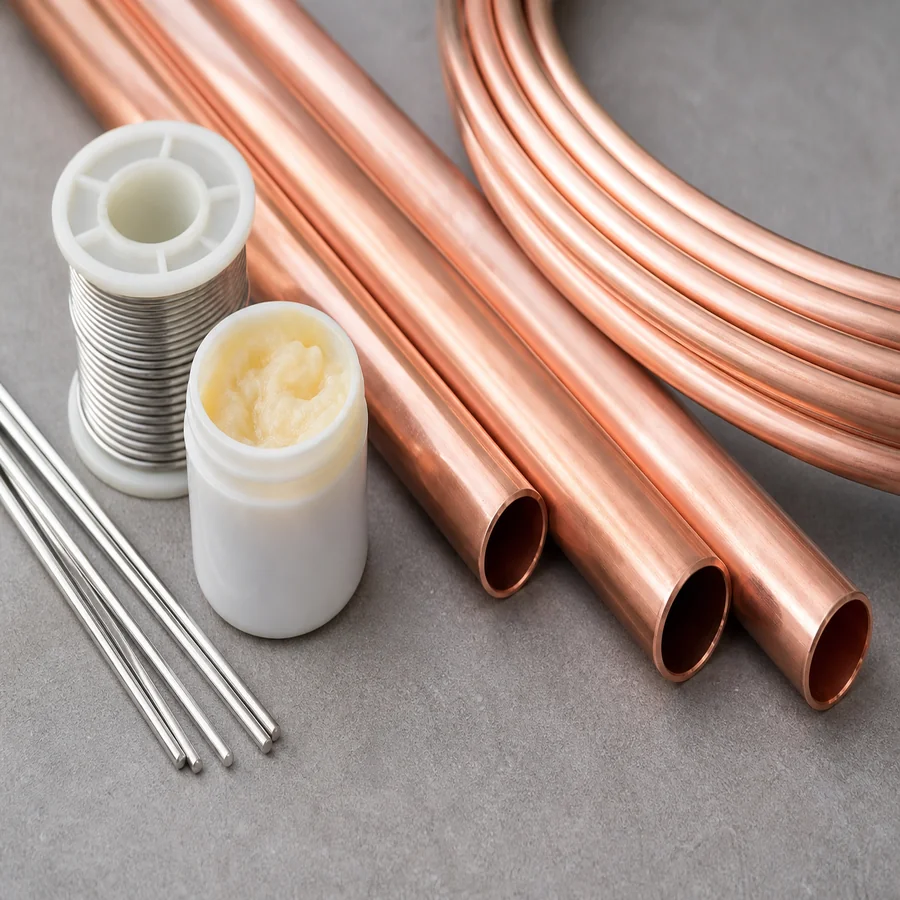
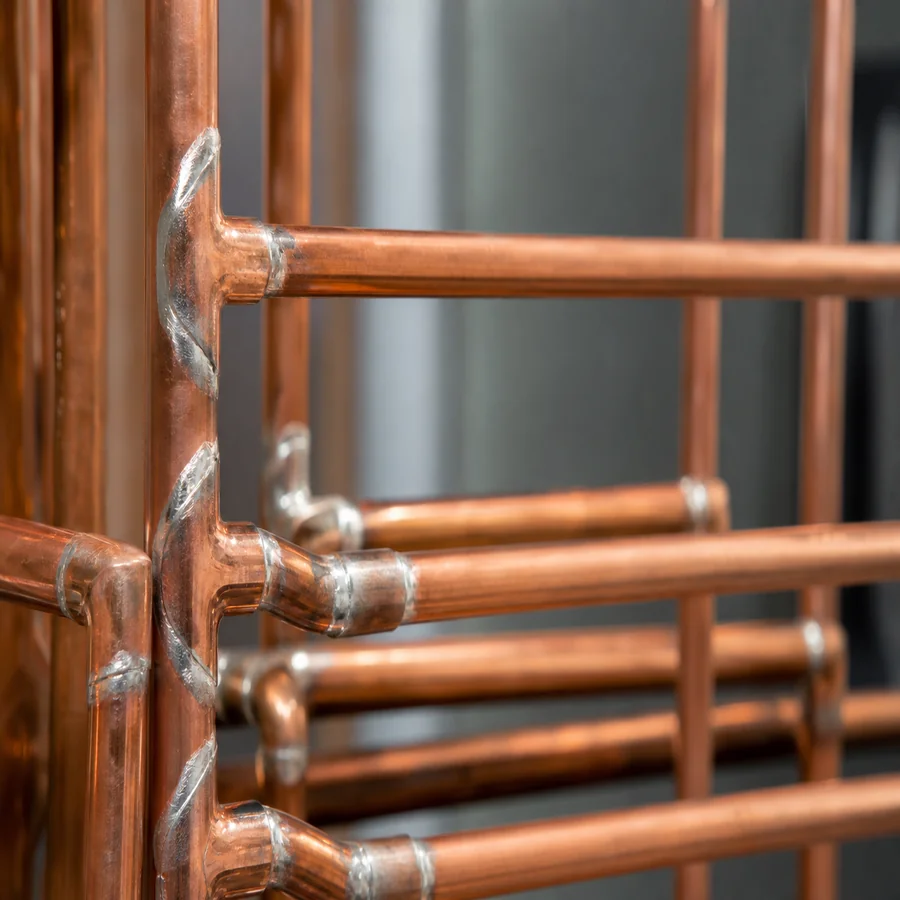
Silver fillets on copper, stainless food lines, and HVAC runs — real work, real standards.
Key specs
Reviews
Usage guide
Every successful Stay-Brite 8 joint follows the same sequence: clean metal, light flux, heat the fitting, wipe when cool. Skipping any step invites callbacks — especially on pressurized copper where capillary gaps hide until the system runs.
Start by cutting tube square and reaming the inside burr. Deburring matters because a ridge inside the cup blocks capillary draw. Abrade the outside with emery or a Scotch-Brite pad until you see bright copper — oxidation and oils are the top reasons joints look fine but seep under pressure.
Apply Stay-Clean flux sparingly to the male tube end, assemble the joint, and begin heating at the base of the fitting. Move heat around the circumference so the entire cup reaches the alloy's melt window. Touch solder to the joint — not the flame — and watch for a full fillet ring. If solder balls up without drawing in, the fitting is not hot enough or the tube is contaminated.
Allow the joint to cool naturally. Quenching with water stresses the fillet. Wipe flux residue while the joint is warm but not glowing — a damp rag removes corrosive paste before it attacks copper over months. Pressure-test per your local code before closing walls or charging refrigerant. Deeper application notes live on our plumbing, HVAC, and refrigeration guides.
Bright metal on tube and cup before flux.
Stay-Clean on male end — avoid flooding.
Capillary draw when the cup is hot enough.
Remove flux residue after the joint sets.
Stay-Brite 8 melts between 535°F and 550°F (279°C to 288°C). The range — not a single point — helps the alloy flow into joints with slightly wider clearances.
Yes. Stay-Brite 8 is a lead-free tin-silver solder suitable for potable plumbing and applications where lead content is restricted by code.
Stay-Clean flux is the recommended pairing. Apply a light, even coat to the male end of the fitting — too much flux can wick inside and corrode copper over time.
Many residential line sets use Stay-Brite 8 because lower heat reduces distortion and limits oxidation inside the pipe. High-pressure or code-specific jobs may still require brazing — see our HVAC guide.
Stay-Brite 8 meets NSF Standard 51 for equipment used in food handling and conforms to EU RoHS directives.
Explore Stay-Brite 8 applications, specs, and field-tested technique for HVAC, plumbing, and refrigeration crews.
View Applications